
Have you ever noticed the difference between a driver that lives in a city and one that comes from the suburbs or a small town?
One way is how close to where they are going, they expect to find a parking space. A city driver thinks nothing of walking 5 blocks or more from the parking space to the destination. They may park a block or more farther than is necessary so that after the show or event, the car is facing in the right direction and there is no need to go around the block and become caught in traffic on one-way streets. It is all about efficiency.
A suburban driver or one from a small town expects to find a space in front of the theater or restaurant. They may circle the same two blocks many times until a space opens. Or they may just go somewhere else and complain about no parking. It is all about perception.
I have often heard that Stuart has a parking problem. In no way is that true! What Stuart has is a perception problem. The emphasis that is enshrined in our codes about parking requirements is outdated and harmful to a well-run city.
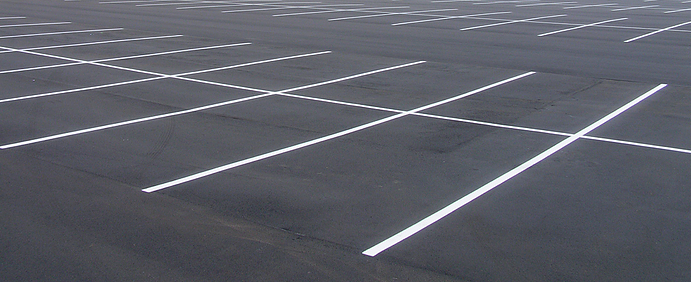
The San Francisco Bay area devotes 20% of its land to parking. Los Angeles County, likewise, has 200 square miles of roads and parking. The abundance of cars is choking California and not doing a bad job here of doing the same. To alleviate the problem, California is about to set aside most minimum parking requirements near public transit stops. Another bill would allow new development to do away with even more required parking rules.
The typical apartment in Los Angeles costs $36,000 more than necessary because of parking requirements. How will we ever build affordable housing if America would rather build cities and towns for cars than people. The excess parking requirements for our offices and stores encourage sprawl. Go to any mall and see the hundreds of spaces available.
On Federal Highway, none of the parking lots are full. Shoppers and office visitors often park in the spaces nearest the entrance of their destinations leaving most other spaces empty. This use of land for this is not sustainable.
Stuart is ideal for a mass transit system. It is small (about 7 sq. miles) and compact. All we need is the will to implement it. And we will never do so if first we don’t get a handle on parking requirements. This isn’t rocket science.
As a first step would be to expand the downtown parking exemption area from Ocean Blvd north to the river and east to High School Avenue. That would expand our downtown area. Most of Ocean has many underutilized one-story structures. Parking requirements are another obstacle to preventing revitalization. If this area had more density, a transit system would be possible.
For those who keep harping about a parking garage, the lessening of the parking requirement will incentivize construction of one. The reason that most garages in cities like Stuart fail is because a need is perceived by some, but the number of cars using it and making it viable is lacking. Like transit, public garages are based on density. Stuart is far from that.
Stuart, Martin County, and most of America have blinders on. They are still planning future development as if the last 60 years have taught us nothing. It is about time we embrace the urban planning codes like so many other places have. Stuart deserves better.